
Eco Hackathon
How Eco-Friendly Hackathons Make a Difference

Organising an eco-friendly hackathon is a highly significant endeavour, particularly when the theme centres around sustainability. This is an excellent opportunity to highlight the importance of environmental consciousness in technological innovation. By integrating the expertise of a hackathon agency, the coordination skills of a hackathon organiser, and the comprehensive planning abilities of an event organiser, you can ensure a greener, more sustainable event. Here are several creative strategies to enhance the eco-friendliness of your hackathon, making it a model for future sustainable tech events and demonstrating the positive impact of green initiatives.
Go Paperless
As a hackathon organiser, there are numerous strategies you can implement to minimise paper usage and promote a more sustainable event. For instance, adopting digital check-ins allows participants to register electronically, thus eliminating the need for printed sign-in sheets. QR codes can be utilised for schedules and other event-related information, providing easy access without the need for physical copies. E-tickets can replace traditional paper tickets, further reducing paper waste. Additionally, providing all necessary documents in PDF format ensures that participants can access important information digitally. Using event apps for communication and updates not only enhances the efficiency of information dissemination but also significantly reduces the environmental impact associated with paper use. These measures collectively contribute to a greener, more eco-friendly hackathon.
Choose Eco-Friendly Venues
Prioritise venues that have LEED certification or those that utilise renewable energy sources, such as solar panels. Choosing such venues ensures that the event location adheres to high environmental standards and reduces its overall impact on the planet. Additionally, employing LED lighting throughout the venue can significantly cut down energy consumption, as LEDs are much more efficient than traditional lighting options. Furthermore, incorporating energy-efficient equipment in all aspects of the event, from audiovisual setups to computing devices, can help in further diminishing the event’s carbon footprint. These measures collectively contribute to a more sustainable and environmentally conscious hackathon.
Green Transportation
Encourage participants to use public transport, carpool, or bike to the venue. Offering shuttle services that a hackathon agency can organise for you, from central locations or partnering with bike-sharing programs can further reduce travel-related emissions. By promoting carpooling and shuttle services, you not only contribute to environmental sustainability but also create opportunities for team-building and ice-breaking among participants. Sharing a journey to the event can foster camaraderie and open communication, as attendees can interact and connect even before the event begins. Additionally, providing these transport options demonstrates a commitment to reducing the carbon footprint of the event, aligning with broader environmental goals and promoting a sense of collective responsibility and engagement among all participants.
Sustainable Catering
Source food from local suppliers to reduce food miles and emphasise plant-based options to lower the event’s carbon footprint. By choosing locally sourced ingredients, you support local businesses and reduce the environmental impact associated with long-distance transportation. Emphasising plant-based menu items further contributes to sustainability by decreasing reliance on animal products, which typically have a higher carbon footprint. Additionally, ensuring proper portion sizes can help prevent excessive food waste. Thoughtful planning for food donation or composting (if possible) of leftovers can effectively manage any surplus, ensuring that the event remains environmentally friendly. These measures not only promote sustainability but also reflect a commitment to responsible event management and environmental stewardship.
Refuse Waste
Implement a robust waste management strategy that includes recycling stations, composting facilities, and guidelines designed to minimise waste generation throughout the event. Establish clearly marked bins for different types of waste, such as recyclables, compostables, and general waste, to facilitate proper disposal. Providing educational materials, such as signage and brochures, can help attendees understand how to segregate waste correctly and the importance of doing so. In addition, station volunteers or staff at key points assist and guide participants in making the right choices. Encouraging the use of reusable items, such as cups, plates, and cutlery, can further reduce waste. By promoting these practices, you not only minimise the environmental impact of your event but also educate attendees on sustainable behaviours, fostering a greater sense of environmental responsibility and community involvement.
Reusable Decor
Use decorations that can be reused by the organisation for future events to promote sustainability and reduce waste. Incorporate live plants, which can be replanted or maintained for future use, adding a touch of nature to your decor. Opt for recycled materials to create a unique and environmentally friendly aesthetic. Choose sustainable options such as glass holders instead of single-use plastic items. These choices not only enhance the visual appeal of your event but also demonstrate a commitment to environmental responsibility and sustainable practices.

Involve Participants
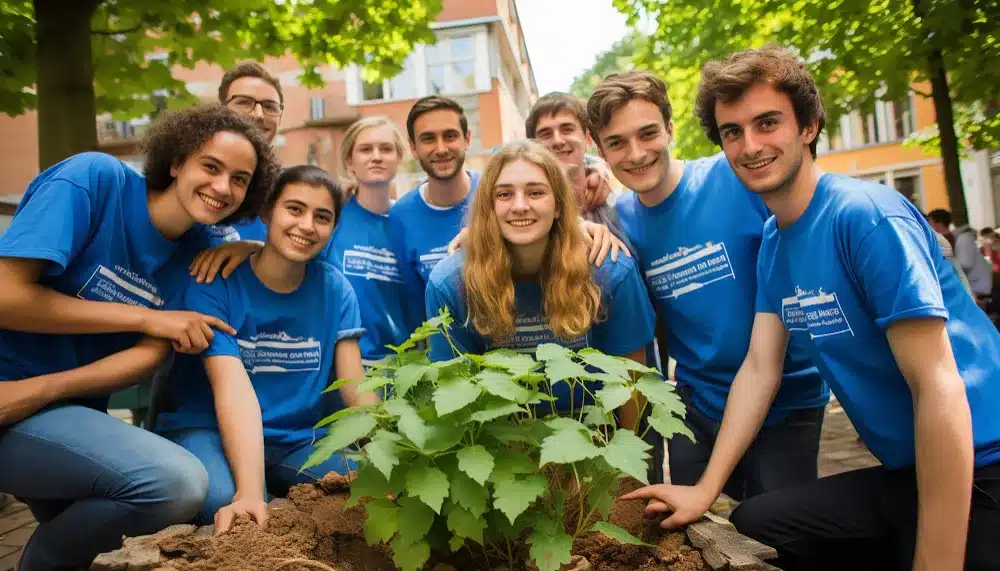
As an event organiser, it is crucial to educate your attendees on the sustainable practices you have implemented. Inform them about the recycling process, the importance of reducing waste, and the various ways they can contribute to the event’s eco-friendly goals. Partner with local environmental groups or initiatives to actively involve the community in your hackathon. This collaboration not only enhances the event’s sustainability impact but also fosters local support and engagement. By raising awareness and encouraging participation, you ensure that attendees understand and appreciate the significance of sustainability in every aspect of the event.
Conclusion
In conclusion, organising an eco-friendly hackathon is not only beneficial for the environment but also sets a precedent for future events in the tech and innovation sectors. By leveraging digital tools to go paperless, choosing sustainable venues and catering options, promoting green transportation, and implementing robust waste management strategies, hackathon agencies, hackathon organisers, and event organisers can significantly reduce the environmental footprint of their events. In other words, incorporating reusable and ethical aspects, sustainable decor, and engaging participants in eco-friendly practices ensures that every aspect of the event is aligned with sustainability goals. Educating attendees and involving the local community further enhances the positive impact, creating a collaborative effort towards a greener future. Regular evaluation and commitment to continual improvement will help refine these strategies and adapt to new sustainable practices, making each subsequent event more eco-friendly than the last.
Let's turn your idea into a memorable event!
We’re all about making great ideas come to life and creating unforgettable experiences. So, why wait? Drop us a line, share your vision, and let’s collaborate to make your idea the next big thing. Ready to make it happen? We’re just a message away!
We have built successful stories with these companies. Be part of them!






















Ready for your next event? Get in touch today!
Schedule your call on our calendar and book a time slot with one of our Project Managers who will answer all of your doubts.
